

Navigating the world of Forex trading can be a daunting task, especially for beginners eager to maximize their investment potential. Selecting the right broker is crucial, as it can significantly influence trading success and security. This guide delves into the essentials of Forex trading in South Africa, the regulatory landscape, key factors to consider when choosing a broker, and the various types of brokers available. Equip yourself with the knowledge needed to make informed decisions and embark on your trading journey with confidence.
What is Forex Trading?
Forex trading involves the systematic buying and selling of currency pairs, such as USD/EUR, with the objective of profiting from variations in exchange rates.
Currency pairs are classified into three categories: majors, minors, and exotics. Major pairs, including USD/EUR and GBP/JPY, are characterized by high liquidity and extensive trading volumes.
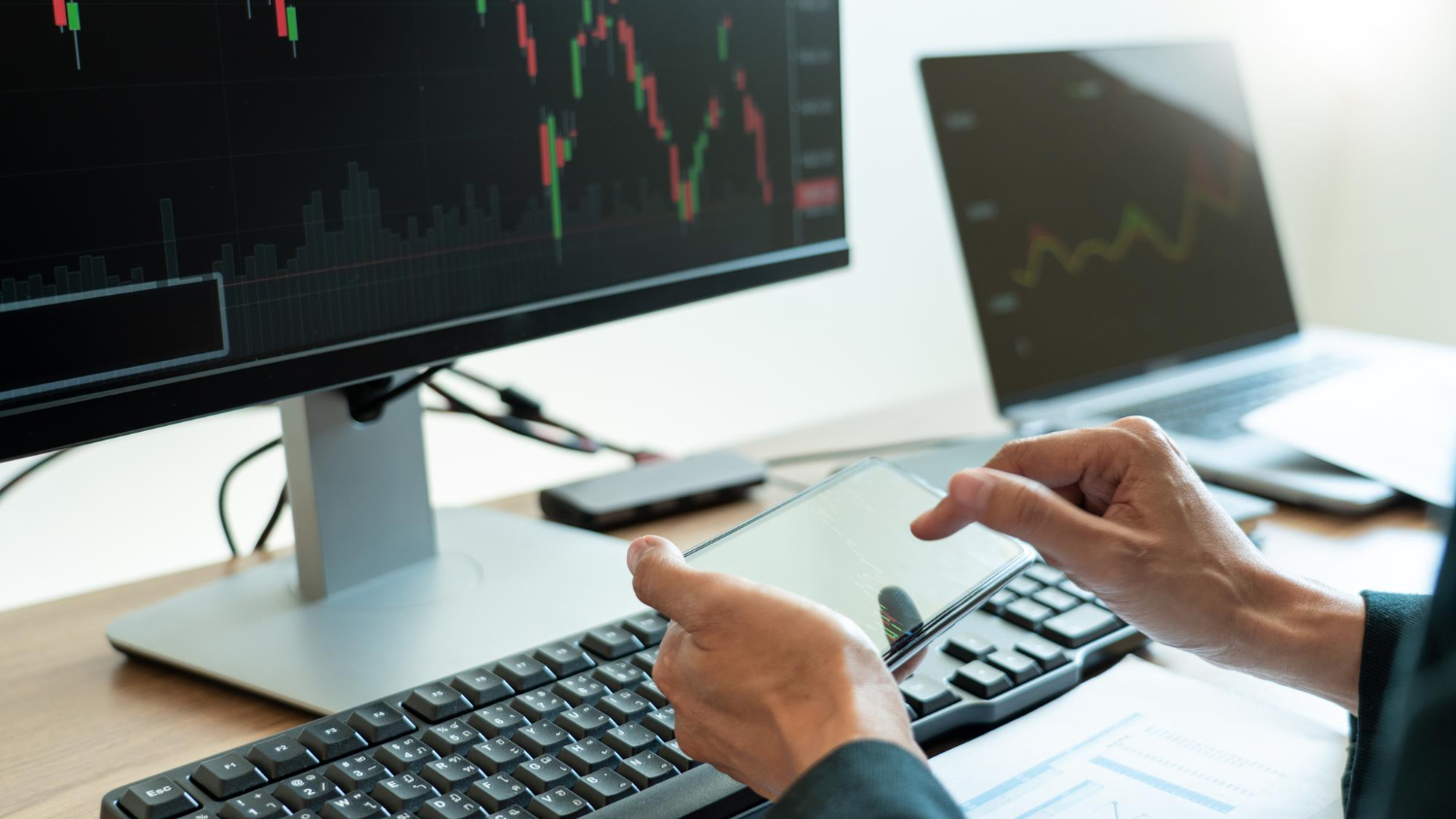
Traders frequently utilize platforms such as MetaTrader 4 and 5, which provide sophisticated charting tools and automated trading functionalities. For instance, a trader may conduct an analysis of the USD/EUR pair through technical indicators to identify optimal entry and exit points.
Additionally, setting up alerts on these platforms can facilitate the monitoring of significant market movements without the necessity for constant oversight, thereby enhancing trading efficiency and discipline.
Importance of Choosing the Right Broker
Selecting the appropriate Forex broker is of paramount importance, as it can profoundly influence trading performance, execution speed, and the overall user experience. A broker such as IG is distinguished by its remarkable execution speed, which is typically under 100 milliseconds, potentially resulting in more favorable trade entry prices.
In contrast, OANDA provides a robust platform characterized by high reliability; however, it may experience slightly slower execution times. It is essential to evaluate these metrics carefully, and utilizing demo accounts can offer valuable insights into execution speeds firsthand.
Furthermore, examining user reviews and regulatory standings is crucial in assessing a broker’s trustworthiness. Ultimately, it is imperative to select a broker that aligns with your trading style and requirements, thereby ensuring a solid foundation for your trading journey.
Regulatory Environment in South Africa
A thorough understanding of the regulatory environment is crucial for traders in South Africa, where the Financial Sector Conduct Authority (FSCA) is responsible for overseeing Forex activities.
Overview of the FSCA
The Financial Sector Conduct Authority (FSCA) is tasked with the regulation of financial services in South Africa, ensuring that brokers comply with stringent guidelines designed to protect investors.
Among the key requirements established by the FSCA are capital adequacy standards, which necessitate that brokers maintain a minimum level of capital to absorb potential losses, as well as client fund segregation, which requires that client funds be kept separate from the broker’s operational funds to prevent misappropriation.
For example, brokers such as IG Markets and FXCM are authorized by the FSCA and comply with these standards by providing transparent financial reports and ensuring the safeguarding of clients’ assets. This regulatory oversight is essential for fostering confidence among investors in the South African market.
Importance of Regulation for Traders
Regulation plays a crucial role in safeguarding traders against fraud and ensuring that brokers operate in a fair and transparent manner. Research indicates that approximately 83% of traders prefer to engage with regulated brokers, underscoring the significance of oversight in fostering trust within the trading community.
Regulatory bodies such as the Financial Conduct Authority (FCA) in the United Kingdom and the Securities and Exchange Commission (SEC) in the United States impose stringent compliance requirements that help mitigate the risks associated with scams and unethical trading practices. Brokers are mandated to adhere to transparent reporting standards and maintain the segregation of client funds, which substantially reduces the likelihood of fraudulent activities.
As a result, traders are more inclined to enter the market with confidence, assured that there are effective systems in place to protect their investments.
Key Factors to Consider When Choosing a Broker
When selecting a Forex broker, it is essential for traders to assess several critical factors, including the associated costs, available platform options, and the quality of support services.
Trading Costs and Fees
Understanding trading costs and fee structures is essential, as these factors can significantly impact profitability. Common trading costs include spreads, which typically average between 1 and 2 pips for major currency pairs, and commissions, which are often around $5 per $100,000 traded.
For instance, a broker such as OANDA may provide tight spreads while imposing a slightly higher commission, whereas IG might offer wider spreads without charging commission fees. It is imperative to compare these various structures to make informed decisions.
Utilizing tools such as Myfxbook can facilitate the analysis of real-time spreads and commissions across different brokers, thereby aiding in the selection of the most cost-effective option tailored to individual trading styles.
Available Trading Platforms
Selecting a broker that offers a user-friendly and robust trading platform can significantly enhance the overall trading experience. MetaTrader 4 (MT4) is widely recognized for its simplicity and extensive library of automated trading tools, making it particularly appealing to novice traders.
In comparison, MetaTrader 5 (MT5) provides enhanced features, such as improved charting tools and support for multiple asset classes, which attract more experienced investors. cTrader distinguishes itself with its intuitive interface and advanced algorithmic trading capabilities.
User interface ratings vary among these platforms, with:
- MT4 receiving high marks for ease of use,
- MT5 being praised for its technical depth,
- cTrader noted for its seamless navigation.
Ultimately, the selection of the appropriate platform should be based on individual trading style and specific needs.
Customer Support Services
Effective customer support plays a crucial role, particularly for novice traders who may require immediate assistance. When assessing customer support at brokerage firms, it is essential to examine response times and availability.
For example, brokers such as Charles Schwab and TD Ameritrade typically provide responses within 24 hours and offer round-the-clock support, making them well-suited for traders who need prompt answers.
In contrast, certain platforms, like Robinhood, may offer limited support during regular business hours, which can be challenging in volatile market conditions.
Selecting a broker with strong customer support capabilities ensures that traders have the necessary assistance to navigate their trades confidently, especially during the initial stages of their trading journey.
Types of Forex Brokers
Forex brokers can be classified into several categories, each providing distinct trading conditions and execution methods.
Market Makers vs. ECN Brokers
Market makers play a crucial role in providing liquidity by establishing their own bid and ask prices, whereas ECN brokers facilitate direct connections for traders to the interbank market.
Market makers generally offer faster execution speeds and tighter spreads, as they assume risk by taking the opposite side of trades. For example, a market maker may offer a spread as narrow as 1 pip on widely traded currency pairs.
In contrast, ECN brokers enhance transparency by aggregating prices from multiple sources; however, they may exhibit wider spreads and potential delays due to their dependence on liquidity from various market participants.
For instance, while an ECN may display a spread ranging from 2 to 3 pips, it ensures that traders have access to real-time market rates, thereby promoting more equitable pricing.
Choosing Between Local and International Brokers
The decision between a local and an international broker can significantly impact trading access, regulatory compliance, and overall trustworthiness.
Local brokers, such as South African firms like IG Markets, typically possess a comprehensive understanding of regional markets and adhere to local regulations, which can enhance trust for local traders.
In contrast, international brokers, such as Interactive Brokers, provide a wider array of trading options, including access to foreign stocks and a diverse range of investment products. However, they may be subject to stricter regulatory scrutiny.
Evaluating the advantages of accessibility and local support in relation to the variety and global reach offered by international brokers is essential in determining the most suitable option for one’s trading requirements.
Account Types and Minimum Deposits
Comprehending the various account types and their corresponding minimum deposit requirements is crucial for the formulation of an effective trading strategy.
Standard Accounts vs. Managed Accounts
Standard accounts enable traders to manage their own trades directly, whereas managed accounts are supervised by professional traders.
With standard accounts, traders have the autonomy to execute their own trades, facilitating a hands-on approach that allows for prompt reactions to market fluctuations. This arrangement typically necessitates a minimum capital investment of $100, providing complete control but also requiring substantial market knowledge.
In contrast, managed accounts are more suitable for individuals who prefer a passive investment strategy. These accounts are administered by professionals who align trading strategies with the investor’s specific objectives and risk tolerance, often necessitating a higher initial investment.
Ultimately, the decision between standard and managed accounts depends on the individual’s risk appetite and level of market expertise.
Understanding Leverage and Margin Requirements
Leverage has the potential to significantly amplify profits; however, it also introduces an increased level of risk. Therefore, understanding margin requirements is essential for effective risk management.
When engaging in leveraged trading, it is imperative to comprehend the mechanics involved. For example, a leverage ratio of 100:1 implies that with an account balance of $1,000, an individual can control a position valued at $100,000. Should the market move unfavorably, even a minor decline could trigger a margin call, necessitating additional fund deposits or the liquidation of positions.
To effectively manage this risk, it is advisable to:
- Calculate the maximum potential loss prior to executing trades
- Utilize stop-loss orders
- Diversify investments
These strategies can provide a buffer against volatile market fluctuations while simultaneously harnessing potential gains.
Final Thoughts on Selecting a Broker
Informed decision-making when selecting a broker can significantly enhance the trading experience, making it both more successful and less stressful.
To ensure that a broker aligns with your requirements, it is advisable to begin by reviewing feedback on platforms such as Trustpilot, with particular attention to aspects such as customer service and withdrawal efficiency.
It is also essential to verify that the broker is regulated by a reputable authority, such as the SEC or FCA, in order to safeguard your investments.
Developing a checklist of essential features is recommended, which may include:
- Competitive fees
- User-friendly platform
- Access to educational resources
Additionally, consulting forums and social media can provide valuable insights into the experiences of other users, further assisting you in making a well-informed choice.
Related Posts

Best Low-Spread Forex Brokers in Ghana for Beginner Traders
Navigating the realm of Forex trading can be challenging, particularly…

How to Choose the Right Tent Rental: What You Need to Know
Introduction Whether you're planning a dreamy outdoor wedding, hosting a…
MT5 Web Terminal in India for Options and Futures Trading: An Introduction
Imagine executing high-stakes options and futures trades from any browser,…